Danielson Framework
Throughout my teaching, I have applied different aspects of the Danielson Framework. They are displayed below.
Domain 1: Planning and Preparation
Designing Student Assessments
As a first grade teacher, I often used exit tickets as a way to reflect on my teaching. Oftentimes, at the end of a lesson I would include an exit ticket in which the students would fill out. The questions would always be from the content that was just taught. Their responses to the questions allowed me to reflect on my teaching of the content and further adjust if needed.
Demonstrating Knowledge of Resources
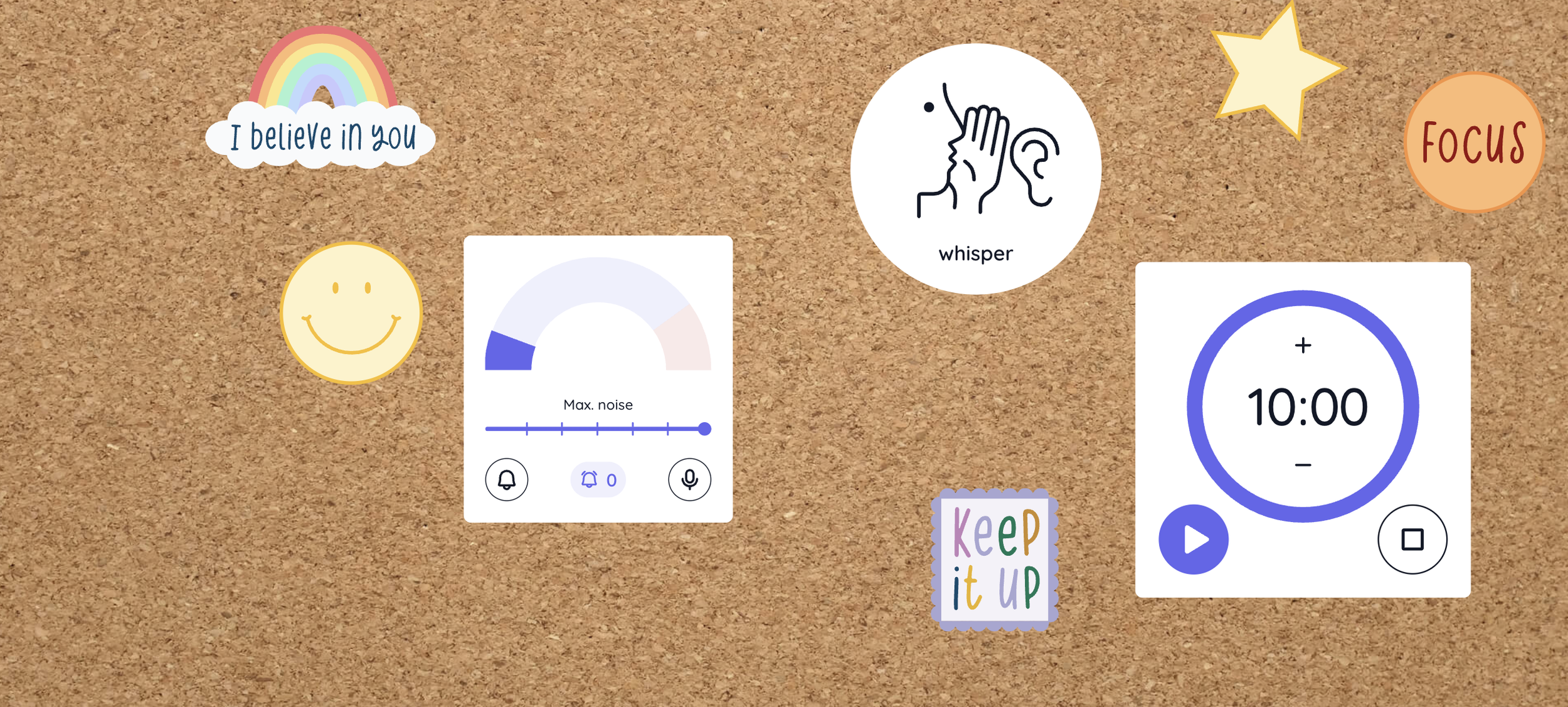
I have found that technology has been a great asset to use in the classroom. I enjoy using Classroom screen as a tool for classroom management. It allows me to display instructions, set visual timers, and monitor the noise level of the classroom.
Demonstrating Knowledge and Content of Pedagogy
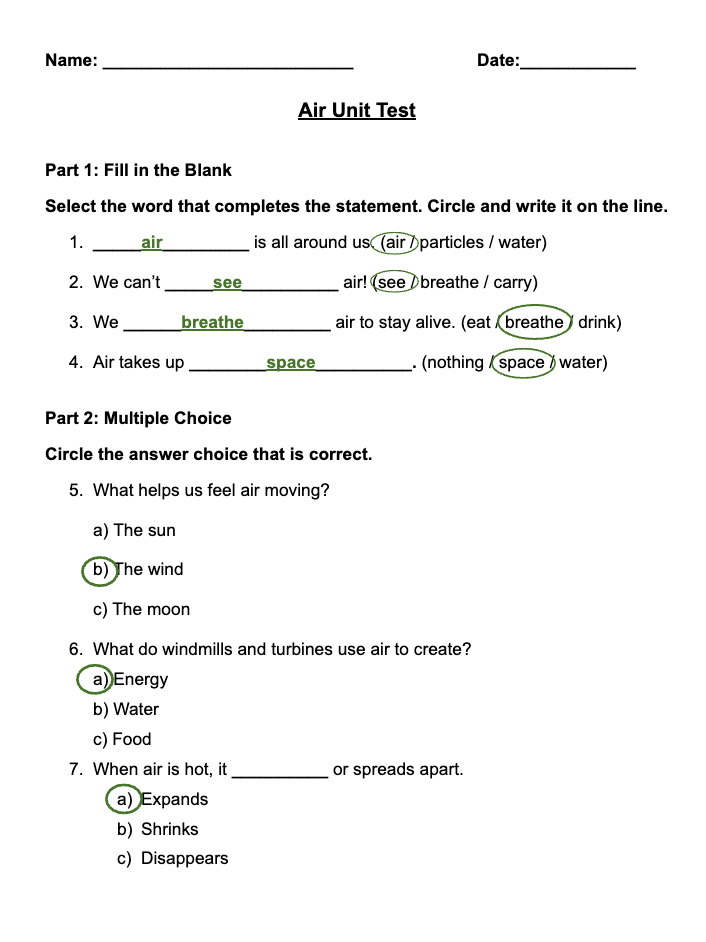
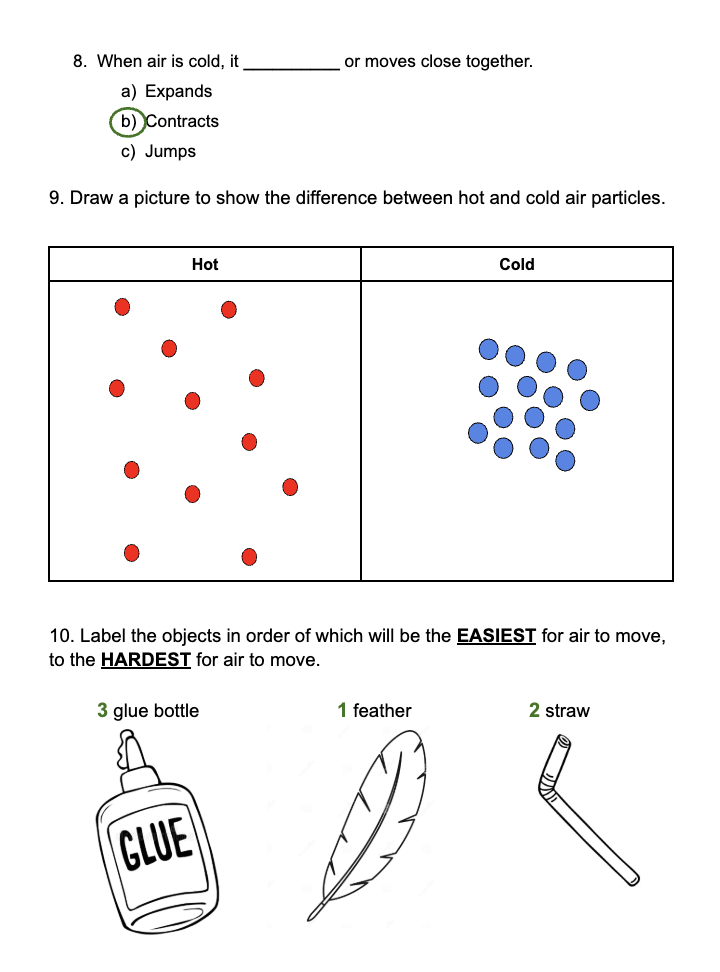
During my initial student teaching experience in a first grade classroom, I designed and implemented a week long science unit focused on Air. To assess prior knowledge, I administered a pre-assessment, which helped guide my instructional planning. Throughout the unit, students engaged in interactive, hands-on experiments that deepened their understanding of key concepts. At the end of the unit, a post-assessment was given to measure student progress and evaluate the effectiveness of my teaching. This experience provided valuable insight into both student learning and my instructional impact.
Domain 2: Learning Environments
Cultivating Respectful and Affirming Environments
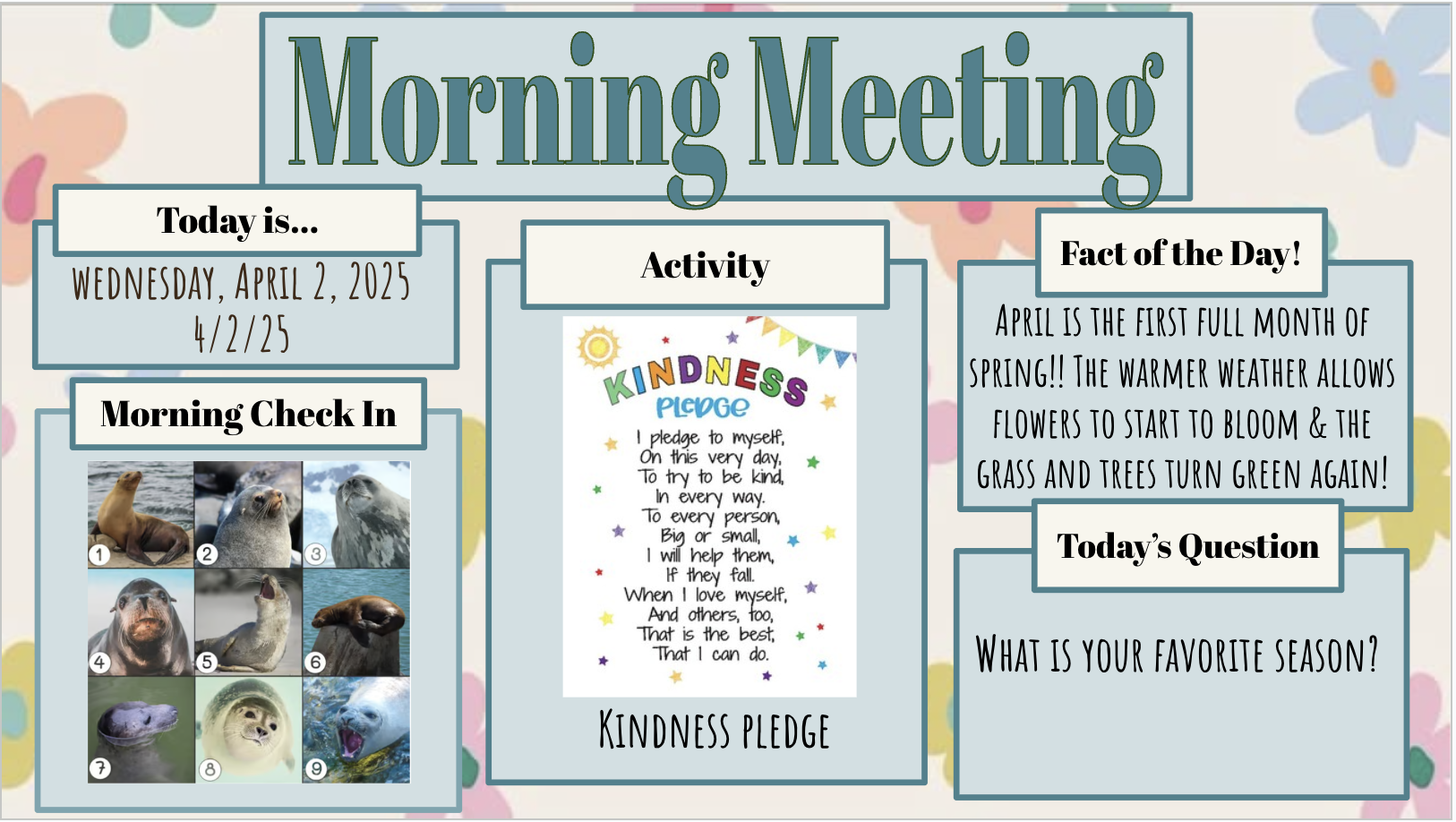
From the start, I have always maintained a kind and positive relationship with all of my first-grade students, recognizing that a strong foundation of trust and respect is essential for meaningful learning. I prioritize creating a classroom environment where every child feels seen, valued, and safe to express themselves. One way I do this is by incorporating social emotional learning into our daily morning meetings. These moments provide students with opportunities to build self-awareness, practice empathy, and strengthen peer connections through discussions, cooperative activities, and reflection. By modeling empathy I cultivate a respectful and affirming space where students are able to thrive both academically and emotionally.
Organizing Spaces for Learning
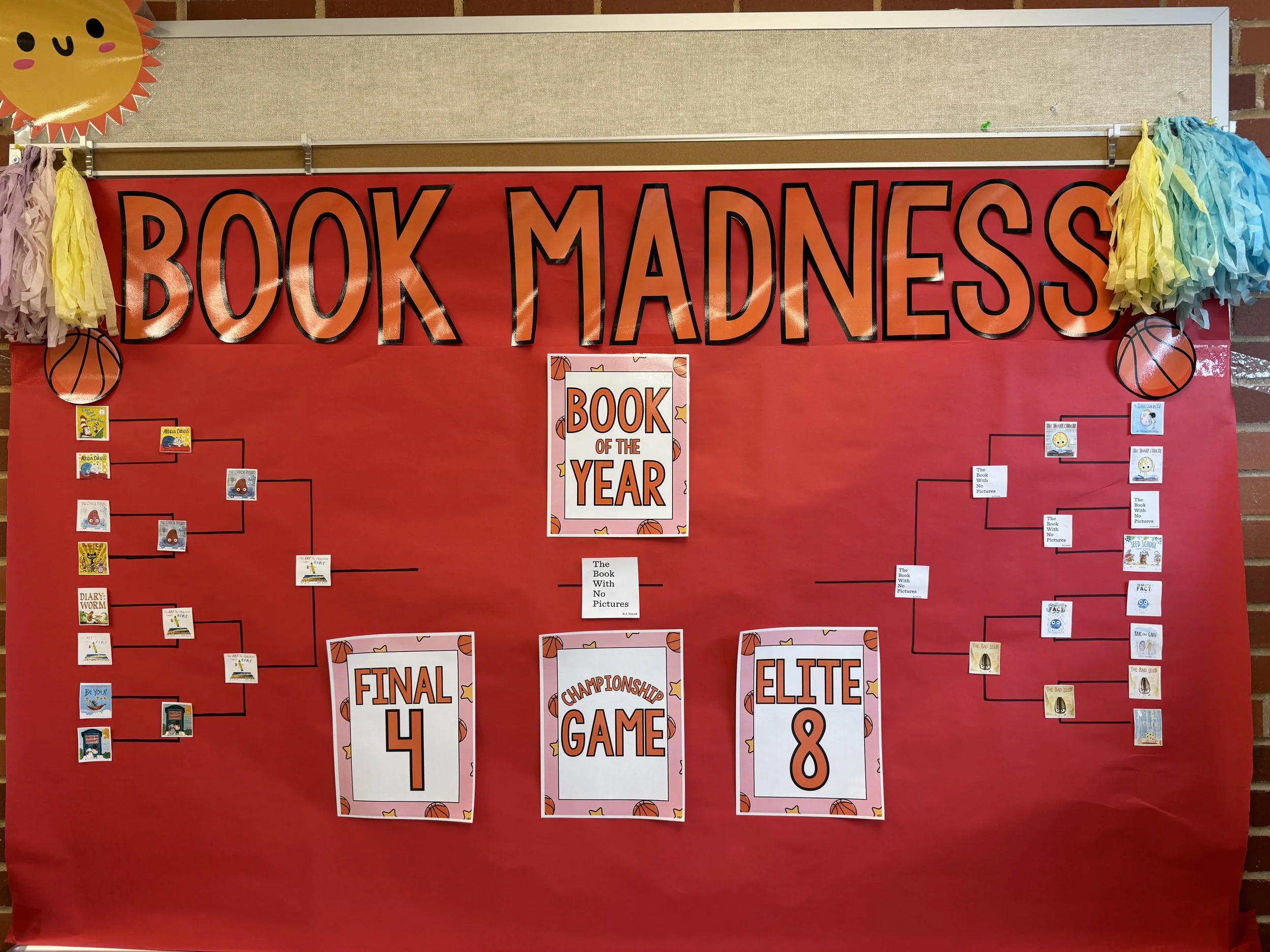
In March, I created a “Book Madness” tournament to spark excitement around reading in my classroom. I designed a bulletin board as a visual bracket that all students could refer to throughout the month. This display not only built anticipation but also served as an organized and engaging space for learning, helping students visually track the progress of the tournament and understand the structure of voting and elimination rounds. Each day, we updated the board with the results, and students eagerly checked to see the new match-up. This routine promoted student engagement, as they actively participated in voting for their favorite books and discussing the stories with their peers.
Domain 3: Learning Experiences
Engaging Students in Learning
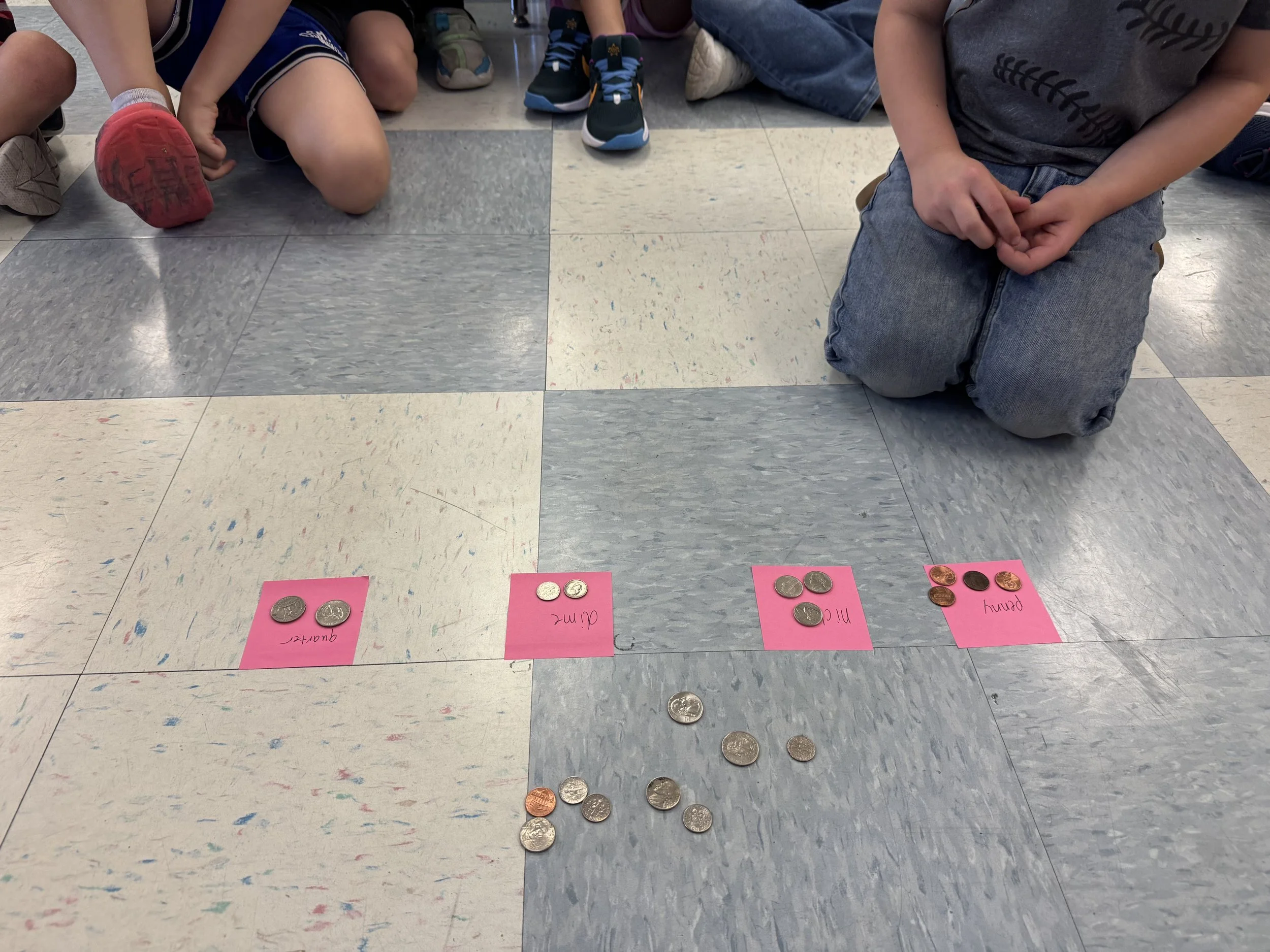
When creating lessons, I always think about how to make them more engaging and meaningful for students. While teaching our math chapter on coins, I incorporated real coins that students could manipulate. This hands-on activity helped them practice identifying and sorting coins. Making the lesson more interactive increased student motivation and supported stronger retention of the concepts.
Using Assessment in Instruction
For my Air unit, I created a pre-test and post-test by following the curriculum that met the necessary requirements. These assessments allowed me to evaluate the effectiveness of my teaching.
Domain 4: Principled Teaching
Engaging Families and Communities
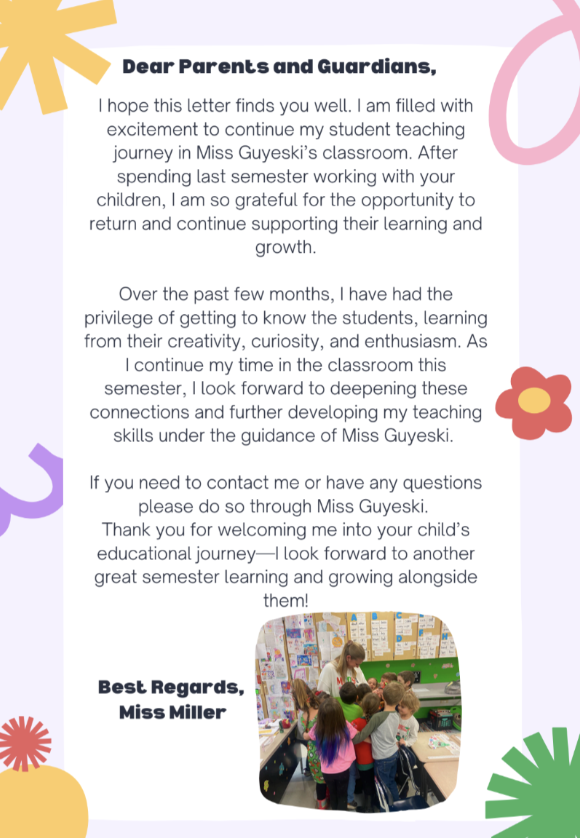
This was the letter of introduction that was sent home to my first grade families upon my arrival for the student teaching placement.
Participating in the Professional Community
Throughout my student teaching placement, I collaborated closely with the first-grade team, actively participating in team meetings and sharing instructional resources. I valued the opportunity to learn from experienced colleagues and contribute ideas during discussions about instructional strategies. These experiences helped me grow professionally and reinforced the importance of strong collaboration within a school community.
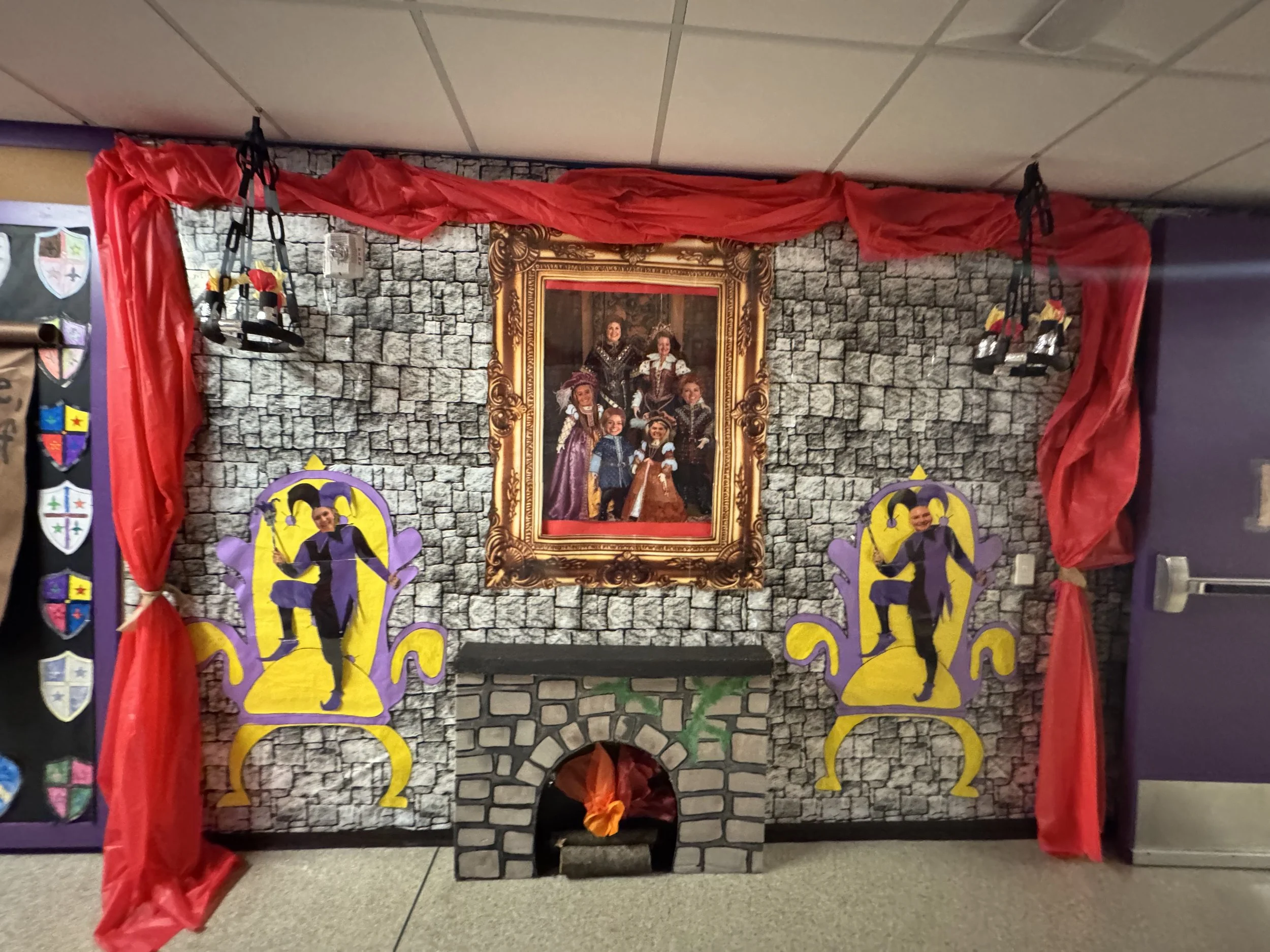
I also had the opportunity to participate in BoosterThon at my school district, which was a fun and collaborative school-wide event. As part of the first-grade team, we worked together to decorate our hallway, sharing ideas and combining our creativity to create an engaging and spirited display for the students. This experience allowed me to further develop my collaboration skills while contributing to a positive school culture. Our efforts were recognized when we won the contest for the best-decorated hallway, which was a proud and rewarding moment for our team.
Documenting Student Progress
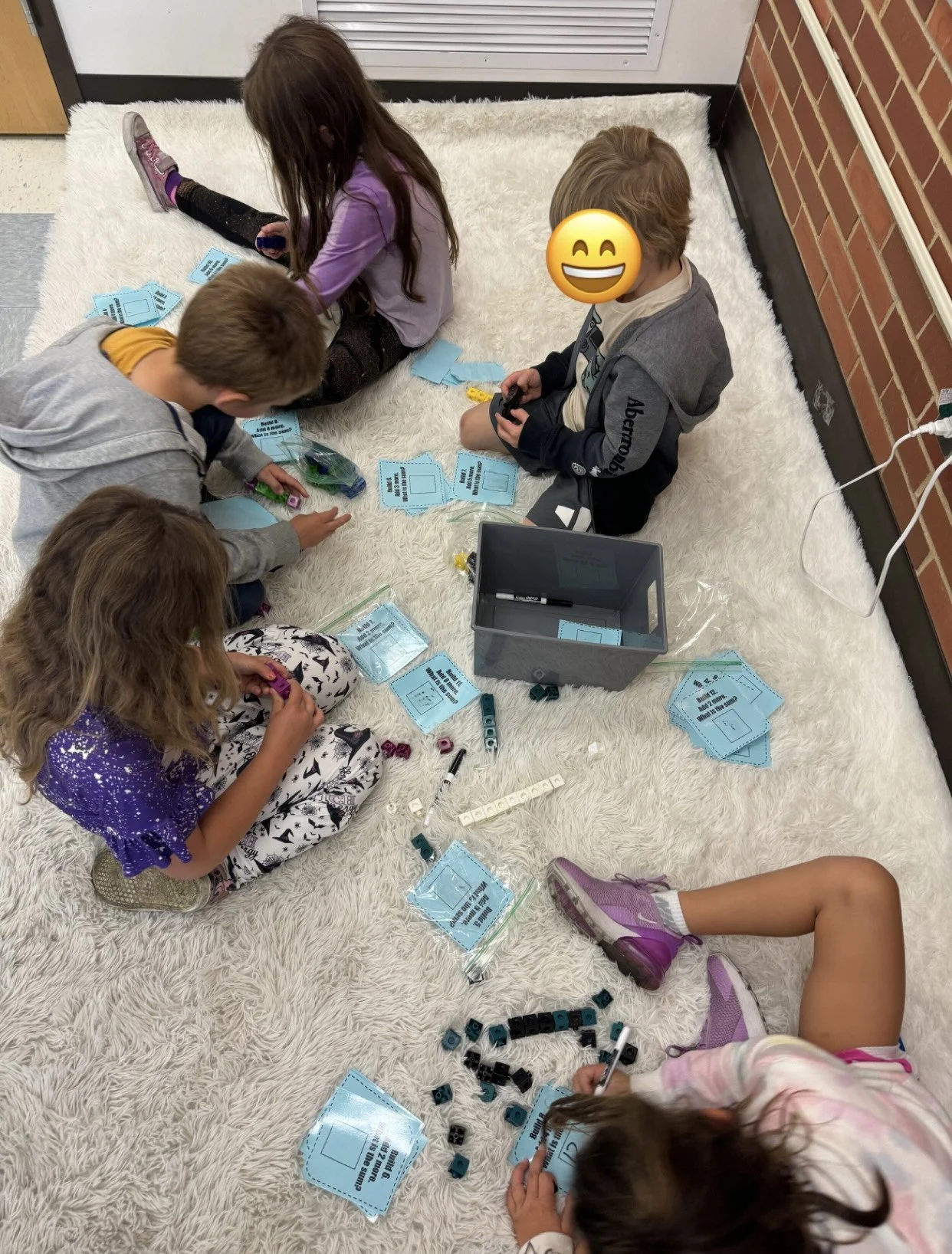
Throughout my student teaching placement, I had the opportunity to document student progress during intervention time. One area I closely monitored was student achievement within literacy and math centers. I tracked their growth, engagement, and skill development, using this information to inform instruction and support individual needs. As the weeks progressed, we focused not only on improving academic performance but also on building student independence during center activities. This dual focus helped foster a more self-directed and confident learning environment.